
Daily Nutrition Insight
A balanced diet with adequate proteins, healthy fats, and complex carbohydrates supports stable energy levels, mental clarity, and long-term wellness throughout your day.
The information on this site is for educational purposes only and does not constitute medical advice. Always consult a qualified healthcare professional before making health decisions.
Transform Your Health Through Balanced Eating
Discover how proper nutrition science and practical daily habits can reshape your energy, mood, and overall vitality. Our comprehensive guide helps you understand the principles of balanced nutrition and apply them sustainably.

Key Pillars of Balanced Nutrition
Understand the fundamental principles that support your daily health and wellness
Macronutrient Balance
Proper proportions of proteins, fats, and carbohydrates form the foundation of daily nutrition. Each macronutrient plays a distinct role in energy production, cell repair, and metabolic function.
Micronutrient Diversity
Vitamins and minerals from diverse food sources support immune function, bone health, and countless enzymatic reactions. A varied diet ensures you receive the full spectrum of essential nutrients.
Hydration & Fluids
Adequate water intake is essential for digestion, nutrient transport, temperature regulation, and cognitive function. Proper hydration complements a balanced eating pattern.
Fiber & Digestive Health
Dietary fiber supports digestive regularity, feeds beneficial gut bacteria, and contributes to stable blood sugar levels. Whole grains and plant foods are key fiber sources.
Meal Timing & Frequency
Eating at consistent intervals and choosing appropriate portion sizes supports metabolism and prevents energy crashes. Find a rhythm that works for your lifestyle and activity level.
Sustainability & Enjoyment
A balanced eating pattern you actually enjoy is one you'll maintain long-term. Include foods you love while respecting nutritional principles for lasting wellness.
Your Daily Nutrition Journey
A practical framework for implementing balanced eating into your daily routine
Plan & Assess
Evaluate your current eating habits and identify nutritional gaps. Plan meals around whole foods and establish realistic daily objectives aligned with your health goals.
Build Awareness
Track what you eat and observe how different foods affect your energy and mood. This awareness helps you make intentional choices rather than automatic ones.
Implement Changes
Start with small, sustainable changes rather than dramatic overhauls. Gradually add nutrient-dense foods and adjust portion sizes based on your results and satisfaction.
Sustain & Adapt
Review your progress regularly and adjust your approach as needed. Balanced nutrition is a lifelong practice that evolves with your circumstances and changing needs.
Balanced Meal Inspirations
Explore diverse food combinations that align with nutritional principles

Protein-Rich Breakfasts
Start your day with eggs, Greek yogurt, and whole grains to support muscle maintenance and sustained energy throughout the morning.
Read more
Balanced Lunch Bowls
Combine lean proteins, whole grains, and colorful vegetables to create satisfying midday meals that stabilize blood sugar and afternoon energy.
Read more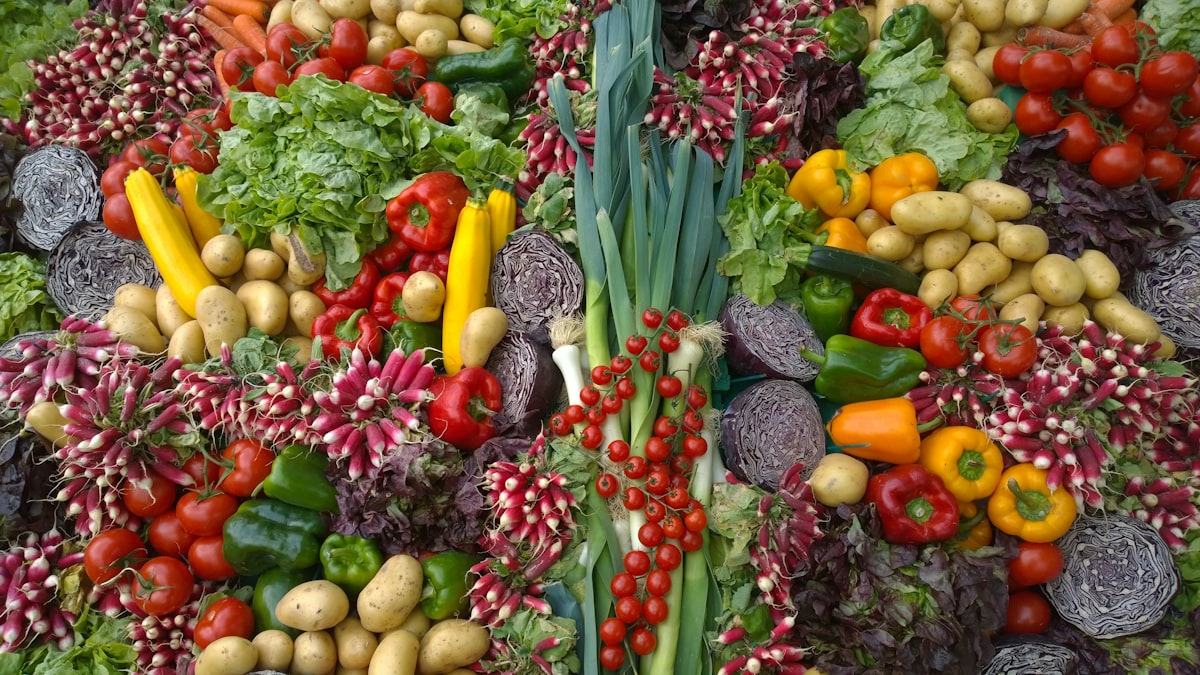
Nourishing Dinners
Plan evening meals with quality proteins, healthy fats, and roasted vegetables to support recovery and restful sleep patterns.
Read more
Smart Snacking
Choose protein-fiber combinations like nuts with fruit or hummus with vegetables to maintain steady energy between main meals without crashes.
Read more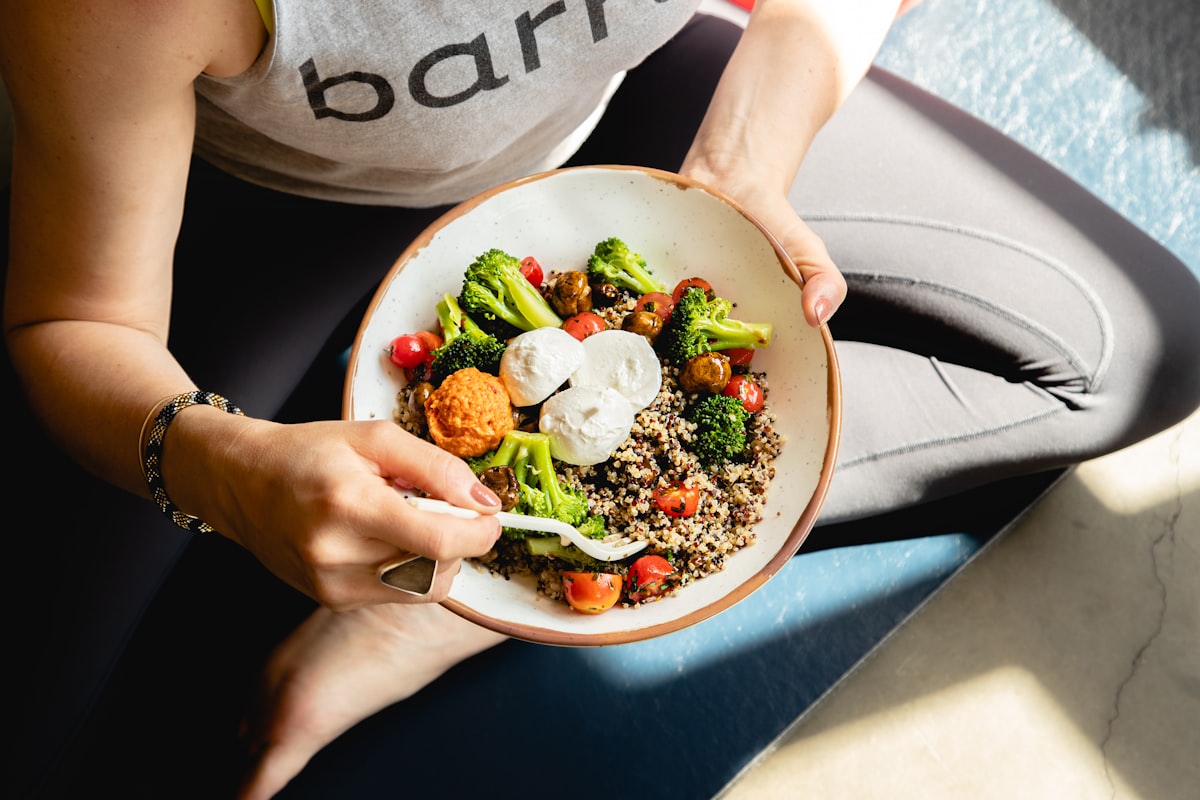
Nutrient-Dense Smoothies
Blend fruits, leafy greens, protein powder, and healthy fats into quick, satisfying drinks that deliver concentrated nutrition in portable form.
Read more
Mediterranean Patterns
Embrace olive oil, fish, whole grains, and plant-based foods inspired by Mediterranean cuisine for sustainable, enjoyable balanced eating.
Read moreWhy Choose Our Nutrition Guide
Evidence-based information and practical support from experienced nutrition educators

Evidence-Based Content
Our articles and guides reflect current nutrition science, helping you understand the reasoning behind dietary principles rather than following arbitrary rules.
Practical Application
We focus on actionable strategies you can implement immediately, from meal planning frameworks to grocery shopping guidance and eating pattern development.
Personalization Support
While we provide general guidance, we emphasize that individual needs vary. Our content helps you adapt principles to your unique circumstances, preferences, and health context.
No Dogmatic Approach
We avoid promoting single diets or restrictive philosophies. Instead, we present nutritional science flexibly, acknowledging that sustainable balance looks different for different people.
Reader Experiences
How our content has helped people understand and improve their nutrition
"I appreciated how the articles broke down nutrition science without overwhelming me. The balanced approach helped me stop obsessing over 'perfect' eating and instead focus on sustainable choices that fit my life. The meal ideas are practical and actually taste good!"
Sarah Müller
Berlin, Germany
"The daily nutrition insights have genuinely changed how I think about food. I was struggling with energy crashes, and understanding the connection between macronutrients and stable blood sugar made everything click. My mood is noticeably better now."
Marcus Klein
Munich, Germany
"As someone with a busy schedule, I loved the quick reference guides and simple meal frameworks. The content doesn't judge your choices — it just helps you understand nutrition better. I'm finally eating in a way that feels sustainable for me."
Jana Hoffmann
Hamburg, Germany
"I shared the articles with my whole family, and we've all benefited. The information is clear and trustworthy, without being preachy. Understanding the 'why' behind nutrition advice has motivated real change in how we eat and shop for groceries."
Thomas Weber
Frankfurt, Germany
Ready to Learn More?
Explore our comprehensive articles, discover practical meal planning strategies, and join a community of people committed to understanding balanced nutrition. Start with our latest content today.
Frequently Asked Questions
Common questions about balanced nutrition and healthy eating habits
What exactly is "balanced nutrition"?
Balanced nutrition means providing your body with appropriate amounts of all essential nutrients — proteins, carbohydrates, fats, vitamins, minerals, and water. The specific balance varies by individual based on age, activity level, health status, and personal goals. Rather than strict ratios, we focus on whole foods and varied eating patterns that naturally deliver a broad nutrient spectrum.
Do I need to count calories to eat a balanced diet?
Calorie counting isn't necessary for most people to achieve balanced nutrition. Instead, focusing on nutrient density, portion awareness, and hunger-fullness signals typically leads to better long-term outcomes. Some individuals benefit from tracking, while others thrive with intuitive approaches. Our articles explore both options so you can choose what works for you.
How can I balance nutrition on a tight budget?
Balanced eating doesn't require expensive specialty foods. Beans, lentils, eggs, seasonal produce, frozen vegetables, whole grains, and canned fish offer excellent nutrition at low cost. We provide budget-friendly meal planning guides and shopping tips to help you eat well within your means. Prioritizing whole foods over processed options often saves money while improving nutrition.
What's the best diet for my specific goals?
Our content emphasizes that the "best" diet is one you can maintain consistently. We explore how to adjust balanced nutrition principles for different objectives — energy, muscle building, stable blood sugar, or overall wellness. Rather than recommending a single approach, we help you understand how to apply nutritional science to your unique circumstances. Consider discussing significant dietary changes with a qualified nutrition professional familiar with your individual health picture.
How long until I notice changes from eating more balanced meals?
Changes vary by individual. Many people report improved energy within days to weeks of stabilizing their eating pattern. Mood, sleep quality, and digestion often improve within 2-3 weeks. Body composition changes take longer — typically weeks to months. The key is consistency rather than perfection. Our article on nutrition timelines explores realistic expectations and ways to track improvements beyond the scale.
What if I have food allergies or dietary restrictions?
Balanced nutrition absolutely works within food restrictions. Our content includes strategies for plant-based eating, gluten-free options, dairy-free choices, and other common restrictions. The core principle remains: eat diverse, whole foods that deliver the nutrients your body needs. We provide substitution guides and meal planning frameworks for restricted diets. For complex allergies or intolerances, consulting with a nutrition professional ensures you're getting adequate nutrition.